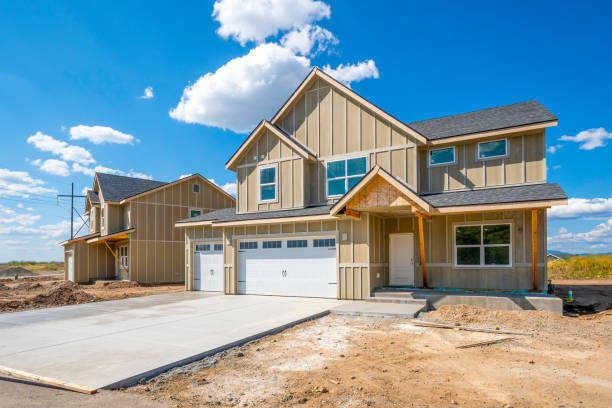
Building a custom home can be an exciting yet challenging process, especially for first-time builders. Unlike buying a pre-built house, a custom home offers the unique opportunity to design your living space to match your exact preferences and needs. However, this journey requires careful planning, budgeting, and collaboration with experienced professionals. For new custom home builders, understanding each phase of the building process is essential to avoid surprises and ensure a smooth project. This guide covers everything you need to know—from setting a budget to managing timelines and working with a construction team.
Establishing a Realistic Budget for Your Custom Home
Creating a budget is one of the most critical steps in the custom home-building process. A well-planned budget will keep your project financially manageable and help avoid unforeseen costs. Building a custom home involves many expenses beyond construction alone, including permits, architectural fees, and interior finishes. Here’s a breakdown of essential considerations when budgeting for your custom home:
Initial Budgeting: Start by calculating how much you’re willing to spend on your home, including savings and any loans. Be realistic and consider unexpected costs that may arise.
Understanding the Cost of Land: The cost of the land, including fees for surveying and site preparation, is a significant expense. Ensure the land is suitable for building and check for any hidden costs, such as soil testing or environmental restrictions.
Allocating for Design and Engineering: Architectural and engineering fees can range from 5% to 15% of the total project cost. Make sure these expenses are accounted for early on.
Setting Aside a Contingency Fund: Aim to keep around 10% of your total budget as a contingency fund. This financial buffer covers unexpected expenses, from material changes to additional labor.
Major Cost Categories in Custom Home Building
A well-rounded budget includes costs for permits, materials, labor, landscaping, and interior finishes. Typical allocations might look like this:
Permits and Fees: Zoning permits, utility connection fees, and municipal permits.
Foundation and Structural Elements: These costs cover everything from excavation to framing, roofing, and exterior finishes.
Interior Finishes: Flooring, cabinetry, countertops, and appliances make up a significant portion of costs.
Landscaping and Exterior Work: Driveways, decks, and landscaping also require budget consideration.
Planning a Realistic Timeline
Custom home projects involve multiple phases, from initial planning to construction and move-in. On average, building a custom home can take anywhere from 10 to 18 months, depending on the complexity of the design and the season. Setting a realistic timeline will help you prepare for each stage and keep the project moving forward efficiently.
Key Stages and Estimated Timelines
Design and Permitting (3–6 months): This includes working with architects and designers to finalize the home’s layout, style, and materials. Simultaneously, you’ll apply for permits, which can take several weeks depending on local regulations.
Site Preparation and Foundation (1–2 months): Clearing the land, excavation, and laying the foundation.
Framing and Structural Work (2–3 months): Installing the frame, roof, and exterior walls.
Interior Finishes and Utilities (4–6 months): Electrical wiring, plumbing, HVAC installation, and all interior finishes are added during this phase.
Final Walkthrough and Inspections (1–2 months): Conducting a final inspection to ensure everything is in place and up to code before moving in.
Factors That May Influence Your Timeline
Unforeseen delays can affect the timeline, and being aware of potential hold-ups can help with planning. Factors such as seasonal weather, material delays, and contractor availability can all play a role in extending or shortening your project. Working with an experienced builder can provide insights into timing and potential setbacks, helping you avoid delays.
Choosing the Right Team for Your Custom Home Build
One of the most important steps in the custom home-building process is selecting the right team of professionals. A reliable team will help you navigate the complexities of design, permits, construction, and finishing. Your primary team members typically include an architect, a builder or general contractor, and various subcontractors for plumbing, electrical work, and interior finishes.
Key Roles and Responsibilities
Architect: An architect can help transform your vision into a practical design and ensure it meets all zoning and regulatory requirements. Look for architects who specialize in residential design and have experience with custom projects.
General Contractor: The general contractor manages the day-to-day construction process, oversees subcontractors, and ensures the project stays on schedule and within budget. Choosing a contractor with excellent project management skills is essential for a seamless building experience.
Interior Designer: Working with an interior designer early on can streamline your choices for fixtures, finishes, and layout, helping to create a cohesive aesthetic for your home.
Tips for Vetting Your Team
Choosing the right professionals can significantly impact the quality and efficiency of your custom home build. Here are some best practices:
Ask for Recommendations and Check References: Talk to other homeowners who’ve built custom homes and ask about their experiences with specific builders and architects.
Evaluate Experience and Expertise: Select team members with a portfolio that aligns with your vision, and check their credentials and past project experience.
Establish Clear Communication: A successful project requires open, regular communication. Ensure your team members are responsive and clear in their expectations and updates.
Essential Design Considerations for Your Custom Home
Designing a custom home allows you to integrate features that match your lifestyle, preferences, and future needs. Whether you’re planning an open-concept kitchen, a spacious outdoor living area, or energy-efficient systems, a thoughtfully designed home can bring immense satisfaction. Here are a few areas to focus on when creating your dream home:
Layout and Space Planning: Start with a flexible layout that can evolve with your family’s needs. An open-concept design may work well for those who love to entertain, while more enclosed spaces can create privacy for larger families.
Energy Efficiency and Sustainability: Including energy-efficient systems like solar panels, high-insulation windows, and LED lighting can reduce utility bills over time. Eco-friendly options are not only good for the environment but can also increase the home’s value.
Quality of Materials: Investing in durable, high-quality materials ensures that your home will withstand the test of time. Think about long-lasting choices for flooring, countertops, and exterior finishes.
Outdoor Spaces: Design your landscaping and outdoor areas to create a seamless transition between indoors and outdoors. Patios, decks, and garden areas enhance the home’s appeal and functionality.
Preparing for Final Inspections and Move-In
After construction is complete, the final phase involves inspections, touch-ups, and ensuring that all systems function correctly. Building codes and regulations require inspections for safety and compliance, and passing these is essential for occupancy approval.
Scheduling Inspections: You will likely need multiple inspections for areas like electrical work, plumbing, and structural integrity. Ensure all necessary permits and documentation are complete to avoid delays.
Final Touch-Ups: Minor fixes and cosmetic touch-ups are common. Go over each room to ensure that the work meets your standards before signing off.
Final Walkthrough with the Contractor: The walkthrough is a last opportunity to discuss any adjustments needed with your contractor. Pay attention to details like wall finishes, fixture placements, and functionality of installed systems.
Moving into Your Custom Home
Once the final inspections and walkthroughs are complete, you’re ready to move into your new custom home. To ensure a smooth transition, consider a few final tips:
Coordinate Moving and Utilities: Plan your move date and confirm utility connections well in advance. This preparation helps avoid last-minute hiccups.
Get Familiar with Home Maintenance: Request maintenance advice from your contractor for areas like HVAC, plumbing, and landscaping.
Enjoy the Customization: Remember that this home was tailored to your preferences, so take the time to appreciate the unique features and spaces you’ve created.
Building a custom home is a significant undertaking that requires patience, planning, and the right support. By following this guide and working with skilled professionals, first-time builders can realize their dream homes and enjoy the many rewards of custom-designed living space. This journey is a unique opportunity to create a home that truly reflects your style, needs, and aspirations. Start planning today, and turn your vision into a reality with the help of a dedicated building team.
Ready to begin your custom home journey? Contact Kristy Construction today. Our experienced team is here to help you plan, build, and bring your dream home to life in Boise.